
Your Story Matters.
Your Family Matters.
Your Results Matter.
Your Family Matters.
Your Results Matter.




When Your Own Insurance Company Becomes Your Adversary — You Need a Lawyer Who Knows Their Playbook.
You paid your premiums. You followed the rules. You filed a legitimate claim. And now the insurance company — your insurance company — is denying it, delaying it, or offering far less than it is worth.
This is not an accident. It is a business strategy. Insurance companies make money by collecting premiums and paying out as few claims as possible. The adjuster assigned to your file is not your advocate — they are trained to find reasons to deny, delay, or minimize your claim.
Christopher M. Tuccitto knows this because he used to be that adjuster.
Before becoming a trial attorney, Christopher has experience in insurance investigation and litigation. She evaluated claims, identified weaknesses, and developed the arguments insurers use to justify low offers or outright denials. Now she uses that inside knowledge to hold insurance companies accountable when they fail to honor their obligations to policyholders.
Here is what most policyholders do not understand: the person handling your claim works for the insurance company, not for you. Their job performance is measured, at least in part, by how much they save the company — not by how fairly they treat you.
Christopher M. Tuccitto knows this firsthand. Before law school, he has experience in insurance investigation and litigation. He evaluated claims, reviewed medical records, and developed the arguments that insurers use to deny or minimize payouts. He was selected as the designated adjuster for his company’s largest insured, managing complex claims under specialized handling procedures.
That experience taught her exactly how the system works:
How adjusters are trained to request recorded statements that can be used against you
How they identify “red flags” in medical records to dispute injury severity
How they use delay as a pressure tactic to force lower settlements
How internal company guidelines often set claim values below what the claim is actually worth
How they document files to justify denials that may not withstand legal scrutiny
When Christopher represents you against an insurance company, he is not guessing what they are going to argue. He already knows. And he begins building the counter-argument from day one.
Learn more about Christopher M. Tuccitto →
Florida has one of the highest uninsured driver rates in the country — over 20% of drivers carry no bodily injury liability insurance. When an uninsured driver causes your accident, your only path to compensation may be through your own Uninsured Motorist (UM) coverage.
But here is the problem: when you file a UM claim, your own insurance company becomes your adversary. They will use the same tactics against you that they would use against any claimant — disputing liability, questioning injury severity, and offering far less than your claim is worth.
UM claims are among the most contentious disputes we handle because policyholders are often shocked to discover that the company they have paid premiums to for years is now fighting against them.
When the at-fault driver has insurance but their policy limits are insufficient to cover your damages, your own Underinsured Motorist (UIM) coverage can make up the difference.
Example: You suffer $300,000 in damages. The at-fault driver has only $25,000 in coverage. Your UIM policy with $100,000 in coverage can provide an additional $75,000 — but only if your insurer agrees to pay it.
UIM claims involve the same adversarial dynamic as UM claims. Your insurer will scrutinize your damages and attempt to minimize what they pay.
Florida’s no-fault PIP system requires your own insurer to pay up to $10,000 in medical expenses and lost wages — regardless of who caused the accident. But insurers frequently deny or limit PIP benefits by:
The 14-Day Rule
If you do not seek medical treatment within 14 days of a car accident, you forfeit your PIP benefits entirely — even if your injuries are real. This deadline is absolute. Do not wait.
Under Florida Statute 627.736, prevailing policyholders may recover attorney fees in PIP disputes — which levels the playing field against insurance companies.
When an insurance company fails to act in good faith toward its policyholder — denying valid claims, delaying unreasonably, or failing to settle within policy limits when liability is clear — Florida law provides additional remedies.
First-Party Bad Faith occurs when your own insurer mistreats you directly — wrongfully denying your UM/UIM or PIP claim, for example.
Third-Party Bad Faith occurs when an insurer representing an at-fault party fails to settle a claim within policy limits, exposing their insured to an excess judgment.
Under Florida Statute 624.155, you may pursue a bad faith claim against your insurer — potentially recovering damages beyond the original policy limits, plus attorney fees.
Before filing a first-party bad faith lawsuit in Florida, you must serve a Civil Remedy Notice (CRN) on the insurer under Florida Statute 624.155, giving them 60 days to cure the violation. This procedural requirement is mandatory — failing to comply can defeat the claim.
Insurance companies do not always deny claims outright. Sometimes they delay — requesting document after document, “investigating” endlessly, or simply failing to respond. The goal is to create financial pressure that forces you to accept a low settlement.
Other times, they pay — but pay far less than the claim is worth, hoping you will accept rather than fight.
Common delay and underpayment tactics include:
When an insurer delays or underpays in bad faith, they may be liable for damages beyond the original claim amount.
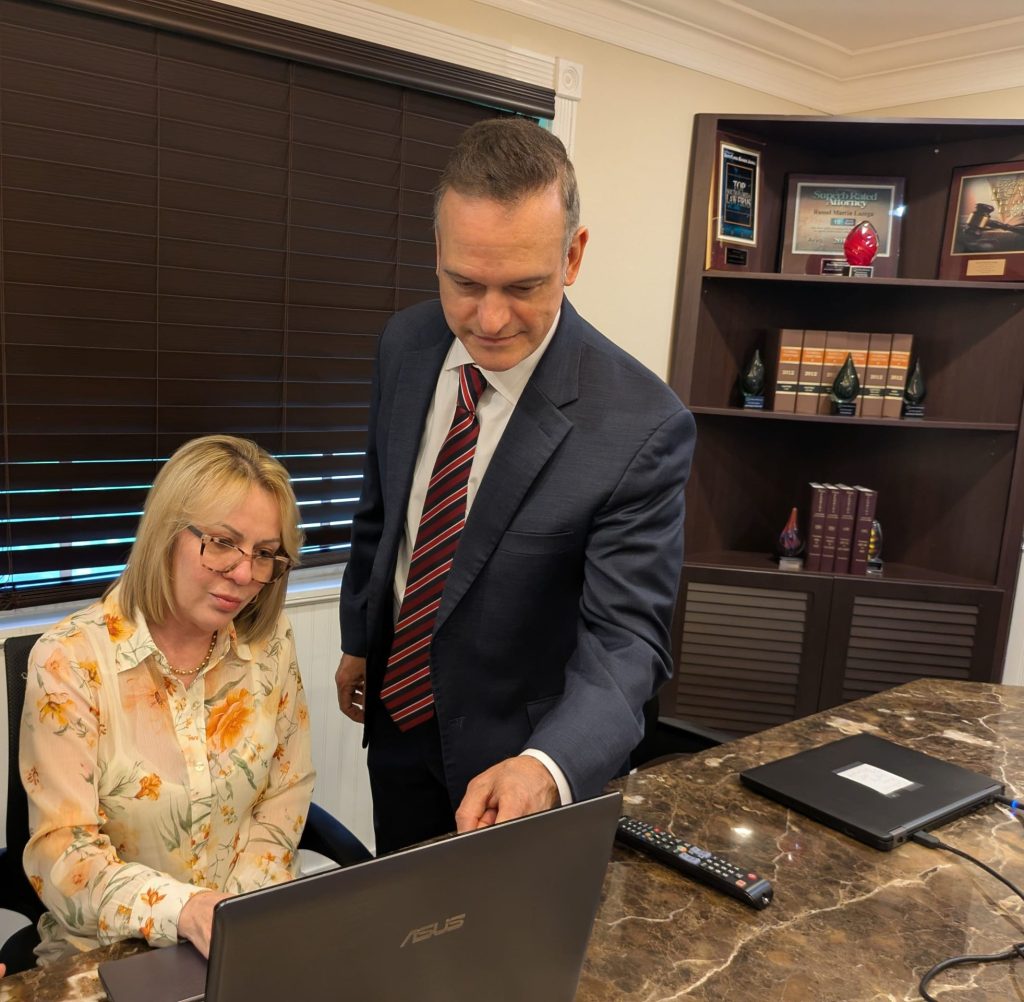
Christopher M. Tuccitto spent years developing the arguments insurers use to deny claims. Now he defeats them. Here is what you can expect from an insurance company — and how we respond:
What they do: Contact you early — while you are still in pain, before you understand your injuries — and ask for a recorded statement.
Why it hurts you: Adjusters are trained to ask questions designed to minimize your symptoms or suggest you contributed to the accident. They use your own words against you later.
How we counter it: Once you retain Florida Advocates, all communication goes through us. No more recorded statements.
What they do: Argue your treatment was not “medically necessary,” that you treated for too long, or that your injuries are exaggerated.
Why it hurts you: They reduce or deny payment for legitimate care.
How we counter it: We work with your treating physicians to document the necessity of every treatment and its connection to the accident.
What they do: Find any prior treatment in the affected area and argue your current symptoms were caused by the pre-existing condition — not the accident.
Why it hurts you: This is one of the most common denial tactics, and it often convinces policyholders to give up.
How we counter it: Under Florida’s “eggshell plaintiff” doctrine, you take the victim as you find them. We document exactly how the accident aggravated your condition. Christopher has extensive experience defeating pre-existing condition arguments — including recovering $190,000 in a case where the insurer offered only $55,000 based on this exact defense.
What they do: Drag out the process — requesting more documentation, “investigating,” failing to respond.
Why it hurts you: Financial pressure mounts. Medical bills pile up. Many people accept low offers just to end the ordeal.
How we counter it: We set deadlines, pursue legal action when necessary, and take the financial pressure off you by working on contingency.
What they do: Offer a quick settlement — often before you have finished treatment — hoping you will accept.
Why it hurts you: You do not yet know the full extent of your injuries. Once you accept, you cannot ask for more.
How we counter it: We never recommend settling until you have reached Maximum Medical Improvement (MMI) and the full value of your claim is understood.
What they do: Send you to a doctor hired by the insurance company for an “independent” examination.
Why it hurts you: These doctors are paid by the insurer and frequently minimize injuries or dispute treatment necessity.
How we counter it: We prepare you for IMEs, review the examiner’s history, and challenge biased opinions with testimony from your treating physicians.
Florida has some of the strongest policyholder protection laws in the country. The key statutes that govern insurance disputes include:
Under Florida Statute 627.428, if you prevail in a lawsuit against your insurer for benefits owed under your policy, the insurer may be required to pay your attorney fees.
This is a powerful protection because it levels the playing field. Insurance companies have unlimited legal resources — but when they know they will have to pay your attorney fees if they lose, they have an incentive to settle fairly.
Under Florida Statute 624.155, when an insurer acts in bad faith — failing to attempt good faith settlement when liability is clear — you may pursue damages beyond the policy limits, including:
Before filing a bad faith lawsuit, you must serve a Civil Remedy Notice on the insurer and give them 60 days to cure the violation.
Under Florida Statute 627.736, your PIP insurer must pay 80% of reasonable medical expenses (up to $10,000) and 60% of lost wages after a car accident — regardless of fault. When they wrongfully deny or delay these benefits, you can pursue legal action with potential attorney fee recovery.
Depending on the type of claim, you may be entitled to:
Insurance claim disputes are far more common than most policyholders realize:
| Statistic | Data |
| Florida uninsured driver rate | 20%+ (among highest in nation) |
| Annual Florida auto insurance complaints | 10,000+ |
| PIP claims disputed by insurers | Thousands annually |
| Bad faith lawsuits filed in Florida | Increasing yearly |
When you file a claim with your own insurance company, you are not asking for a favor — you are asking them to honor the contract you paid for. When they refuse, Florida law provides remedies.
Request a written explanation of why your claim was denied or what additional documentation is required
Understand exactly what coverage you purchased and what the policy says about claim procedures
Keep records of every communication with the insurer, including dates, names, and what was said
You are not required to accept the first offer, and doing so may prevent you from recovering fair compensation
Before signing anything, understand exactly what rights you are giving up
Insurance policies often have time limits for filing claims and disputing denials
We can evaluate your claim, identify bad faith conduct, and advise you on your options
Do not assume the insurance company is acting in good faith just because they are “your” insurance company. They have a financial incentive to deny or minimize every claim — including yours.

Christopher Michael Tuccitto is the CEO and Managing Partner of Florida Advocates and has more than 25 years of legal experience. He joined the firm shortly after its founding in 1998 and became a partner in 2019. His work includes insurance investigation and litigation, reviewing insurance files for coverage and potential litigation, investigating coverage issues, and preparing lawsuits and demands against insurers.
Christopher earned his J.D. from the University of Florida Levin College of Law in 1997 and his B.A. in Political Science with Honors from the University of Florida in 1993, where he was a member of Phi Beta Kappa. He was admitted to The Florida Bar in 1999 (Bar No. 168297).
He serves as Vice President and a board member of the South Broward Bar Association and previously served as President of the North Dade Bar Association from 2007 to 2008. He is a contributing author of Florida Motor Vehicle No-Fault Law (P.I.P.), nationally distributed by West Group. Our City Hollywood Magazine recognized him as Best Insurance Attorney in Hollywood in 2023, 2024, and 2025.
Education
Bar Admission
Professional Memberships and Service
Learn more about Christopher M. Tuccitto →
Insurance bad faith occurs when an insurance company fails to act fairly and honestly toward its policyholder. Under Florida Statute 624.155, insurers have a duty to attempt in good faith to settle claims when liability is clear. When they deny valid claims, delay unreasonably, or offer far less than claims are worth, they may be acting in bad faith — and policyholders can pursue additional damages beyond the original claim.
UM (uninsured motorist) and UIM (underinsured motorist) claims allow you to recover from your own insurance policy when the at-fault driver has no insurance or insufficient insurance to cover your damages. Florida has one of the highest uninsured driver rates in the country — over 20%. UM/UIM coverage is often your only path to fair compensation when the at-fault driver cannot pay.
Insurance companies are businesses. Their profit comes from collecting premiums and paying as few claims as possible. Even your own insurer — the company you have paid premiums to for years — has a financial incentive to deny, delay, or minimize your claim. Common tactics include disputing coverage, questioning injury severity, arguing pre-existing conditions, and requesting excessive documentation.
Yes. When your insurer wrongfully denies your claim, delays unreasonably, or offers far less than your claim is worth, you can file a lawsuit against them. Under Florida Statute 627.428, if you prevail in a lawsuit against your insurer, they may be required to pay your attorney fees in addition to the claim amount.
Bad faith claims in Florida generally must be filed within five years under Florida Statute 95.11. However, before filing a first-party bad faith lawsuit, you must provide the insurer with a Civil Remedy Notice under Florida Statute 624.155, giving them 60 days to cure the violation. The underlying claim must also be resolved before a bad faith claim can proceed. These deadlines can be complex — contact an attorney as early as possible.
PIP denials are common, but you have legal options. Insurers frequently deny PIP claims by disputing medical necessity, claiming you missed the 14-day treatment deadline, or arguing you did not have an “emergency medical condition.” Under Florida Statute 627.736, you can challenge these denials — and if you prevail, the insurer may be required to pay your attorney fees.
No. In Florida, you have the right to choose your own treating physicians. Insurers may request that you attend an “independent medical examination” (IME) with a doctor of their choosing, but you are not required to treat with their preferred providers. IME doctors are paid by the insurer and frequently minimize injuries.
Nothing unless we recover for you. We handle insurance claim disputes on a contingency fee basis. Additionally, under Florida Statute 627.428, if we prevail in litigation against your insurer, they may be required to pay your attorney fees — meaning you may owe nothing out of your recovery for legal costs.
The state agency that regulates insurance companies in Florida. You can file a complaint if you believe your insurer has acted improperly.
Consumer Helpline: 1-877-MY-FL-CFO (1-877-693-5236)
Website: MyFloridaCFO.com
Broward Health Medical Center
(Level I Trauma Center — Adult & Pediatric) 1600 S Andrews Avenue, Fort Lauderdale, FL 33316
Phone: (954) 355-4400
Website
Memorial Regional Hospital
(Level I Trauma Center) 3501 Johnson Street, Hollywood, FL 33021
Phone: (954) 987-2000
Broward County Courthouse
(17th Judicial Circuit) 201 SE 6th Street, Fort Lauderdale, FL 33301
Phone: (954) 831-6565
Website
Insurance disputes require an attorney who understands how insurance companies think, how they value claims, and how they defend lawsuits. Christopher M. Tuccitto has that knowledge because he used to work for them.
At Florida Advocates, we take a different approach:
You deserve more than a billboard. You deserve an advocate who will actually pursue your full recovery.
We work on a contingency fee basis. That means:
Additionally, under Florida Statute 627.428, if we prevail in litigation against your insurer, they may be required to pay your attorney fees — potentially reducing or eliminating the cost to you.
You will never receive a bill from us while your case is active. We only get paid when you do.
Florida Advocates is a personal injury law firm headquartered in Dania Beach, Florida — in the heart of Broward County. We represent policyholders in insurance disputes throughout Fort Lauderdale, Broward County, and all of Florida.
Office Locations:
Dania Beach (Broward County) — Headquarters
45 E Sheridan Street Dania Beach, FL 33004
North Miami (Miami-Dade County)
13499 Biscayne Blvd #107 North Miami, FL 33181
Tampa (Hillsborough County)
238 E Davis Blvd #210 Tampa, FL 33606
Phone: 754-290-3803
Email: info@fladvocates.com
Hours: Monday – Friday: 9:00 AM – 5:00 PM
Available by phone 24/7 for emergencies
Florida Advocates represents policyholders in insurance disputes throughout Broward County, Miami-Dade County, Palm Beach County, and Hillsborough County, including:
If your insurance claim was denied or underpaid anywhere in Florida, we can help.
If your insurance company has denied, delayed, or underpaid your claim, contact Florida Advocates today for a free, confidential consultation. You paid your premiums. You have a right to the benefits you purchased. Let us hold your insurer accountable.
Call: 754-290-3803
Email: info@fladvocates.com
Call us for a free consultation. You pay nothing unless we recover for you. After all, isn’t that what family would do?
If your insurance dispute involves:
 Free Consultation
 Available 24/7
 No Fees Unless You Win