
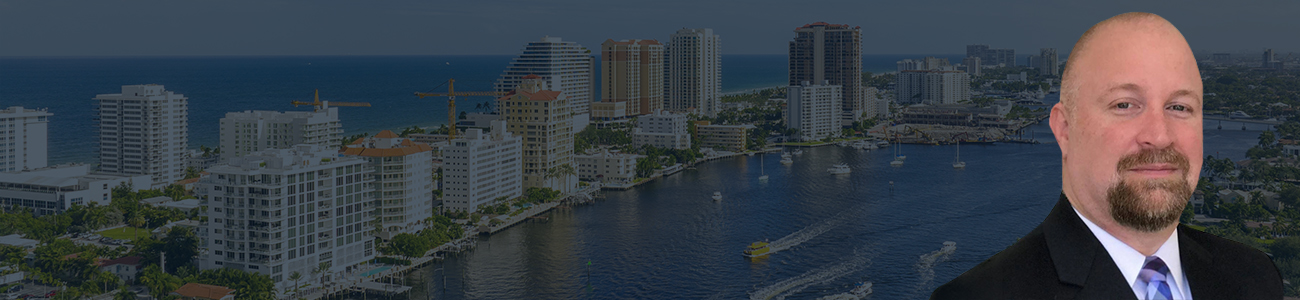
Your Story Matters. Your Family Matters. Your Results Matter.



Awards and recognitions listed are not indicative of future results. Selection criteria vary by organization.
Florida Insurance Claim Denial Lawyer | Broward County & Fort Lauderdale

Florida Insurance Claim Denial Lawyer
When Your Own Insurance Company Becomes Your Adversary — You Need a Lawyer Who Knows Their Playbook.
You paid your premiums. You followed the rules. You filed a legitimate claim. And now the insurance company — your insurance company — is denying it, delaying it, or offering far less than it is worth.
This is not an accident. It is a business strategy. Insurance companies make money by collecting premiums and paying out as few claims as possible. The adjuster assigned to your file is not your advocate — they are trained to find reasons to deny, delay, or minimize your claim.
Carlos D. Cabrera knows this because he used to be that insurance defense counsel.
Before becoming a trial attorney, Carlos worked defending insurance companies. He evaluated claims, identified weaknesses, and developed the arguments insurers use to justify low offers or outright denials. Now he uses that inside knowledge to hold insurance companies accountable when they fail to honor their obligations to policyholders.
The Insurance Adjuster Is Not on Your Side
Here is what most policyholders do not understand: the person handling your claim works for the insurance company, not for you. Their job performance is measured, at least in part, by how much they save the company — not by how fairly they treat you.
Carlos D. Cabrera knows this firsthand. Before law school, he worked as insurance defense counsel. He evaluated claims, reviewed medical records, and developed the arguments that insurers use to deny or minimize payouts. He was selected to handle his firm’s largest and most complex insurance defense matters, managing cases under specialized handling procedures.
That experience taught her exactly how the system works:
- How adjusters are trained to request recorded statements that can be used against you
- How they identify “red flags” in medical records to dispute injury severity
- How they use delay as a pressure tactic to force lower settlements
- How internal company guidelines often set claim values below what the claim is actually worth
- How they document files to justify denials that may not withstand legal scrutiny
When Carlos represents you against an insurance company, he is not guessing what they are going to argue. He already knows. And he begins building the counter-argument from day one.
Learn more about Carlos D. Cabrera →
Types of Insurance Claim Disputes We Handle
Uninsured Motorist (UM) Claims
Florida has one of the highest uninsured driver rates in the country — over 20% of drivers carry no bodily injury liability insurance. When an uninsured driver causes your accident, your only path to compensation may be through your own Uninsured Motorist (UM) coverage.
But here is the problem: when you file a UM claim, your own insurance company becomes your adversary. They will use the same tactics against you that they would use against any claimant — disputing liability, questioning injury severity, and offering far less than your claim is worth.
UM claims are among the most contentious disputes we handle because policyholders are often shocked to discover that the company they have paid premiums to for years is now fighting against them.
Underinsured Motorist (UIM) Claims
When the at-fault driver has insurance but their policy limits are insufficient to cover your damages, your own Underinsured Motorist (UIM) coverage can make up the difference.
Example: You suffer $300,000 in damages. The at-fault driver has only $25,000 in coverage. Your UIM policy with $100,000 in coverage can provide an additional $75,000 — but only if your insurer agrees to pay it.
UIM claims involve the same adversarial dynamic as UM claims. Your insurer will scrutinize your damages and attempt to minimize what they pay.
PIP (Personal Injury Protection) Denials
Florida’s no-fault PIP system requires your own insurer to pay up to $10,000 in medical expenses and lost wages — regardless of who caused the accident. But insurers frequently deny or limit PIP benefits by:
- Disputing whether treatment was “medically necessary”
- Arguing you did not have an “emergency medical condition” (limiting coverage to $2,500)
- Claiming you missed the 14-day deadline to seek initial treatment
- Hiring “independent” medical examiners to dispute your treating physician’s conclusions
- Delaying payment until providers stop treating you
The 14-Day Rule
If you do not seek medical treatment within 14 days of a car accident, you forfeit your PIP benefits entirely — even if your injuries are real. This deadline is absolute. Do not wait.
Under Florida Statute 627.736, prevailing policyholders may recover attorney fees in PIP disputes — which levels the playing field against insurance companies.
Bad Faith Insurance Claims
When an insurance company fails to act in good faith toward its policyholder — denying valid claims, delaying unreasonably, or failing to settle within policy limits when liability is clear — Florida law provides additional remedies.
First-Party Bad Faith occurs when your own insurer mistreats you directly — wrongfully denying your UM/UIM or PIP claim, for example.
Third-Party Bad Faith occurs when an insurer representing an at-fault party fails to settle a claim within policy limits, exposing their insured to an excess judgment.
Under Florida Statute 624.155, you may pursue a bad faith claim against your insurer — potentially recovering damages beyond the original policy limits, plus attorney fees.
Before filing a first-party bad faith lawsuit in Florida, you must serve a Civil Remedy Notice (CRN) on the insurer under Florida Statute 624.155, giving them 60 days to cure the violation. This procedural requirement is mandatory — failing to comply can defeat the claim.
Delayed and Underpaid Claims
Insurance companies do not always deny claims outright. Sometimes they delay — requesting document after document, “investigating” endlessly, or simply failing to respond. The goal is to create financial pressure that forces you to accept a low settlement.
Other times, they pay — but pay far less than the claim is worth, hoping you will accept rather than fight.
Common delay and underpayment tactics include:
- Repeated requests for documentation you have already provided
- “Investigations” that drag on for months
- Lowball offers made before you have completed treatment
- Disputing medical necessity of treatment
- Claiming injuries are pre-existing
- Refusing to pay for future medical care
- Hiring “independent” medical examiners to undercut your doctors
When an insurer delays or underpays in bad faith, they may be liable for damages beyond the original claim amount.
What Insurance Companies Do — And How We Counter It
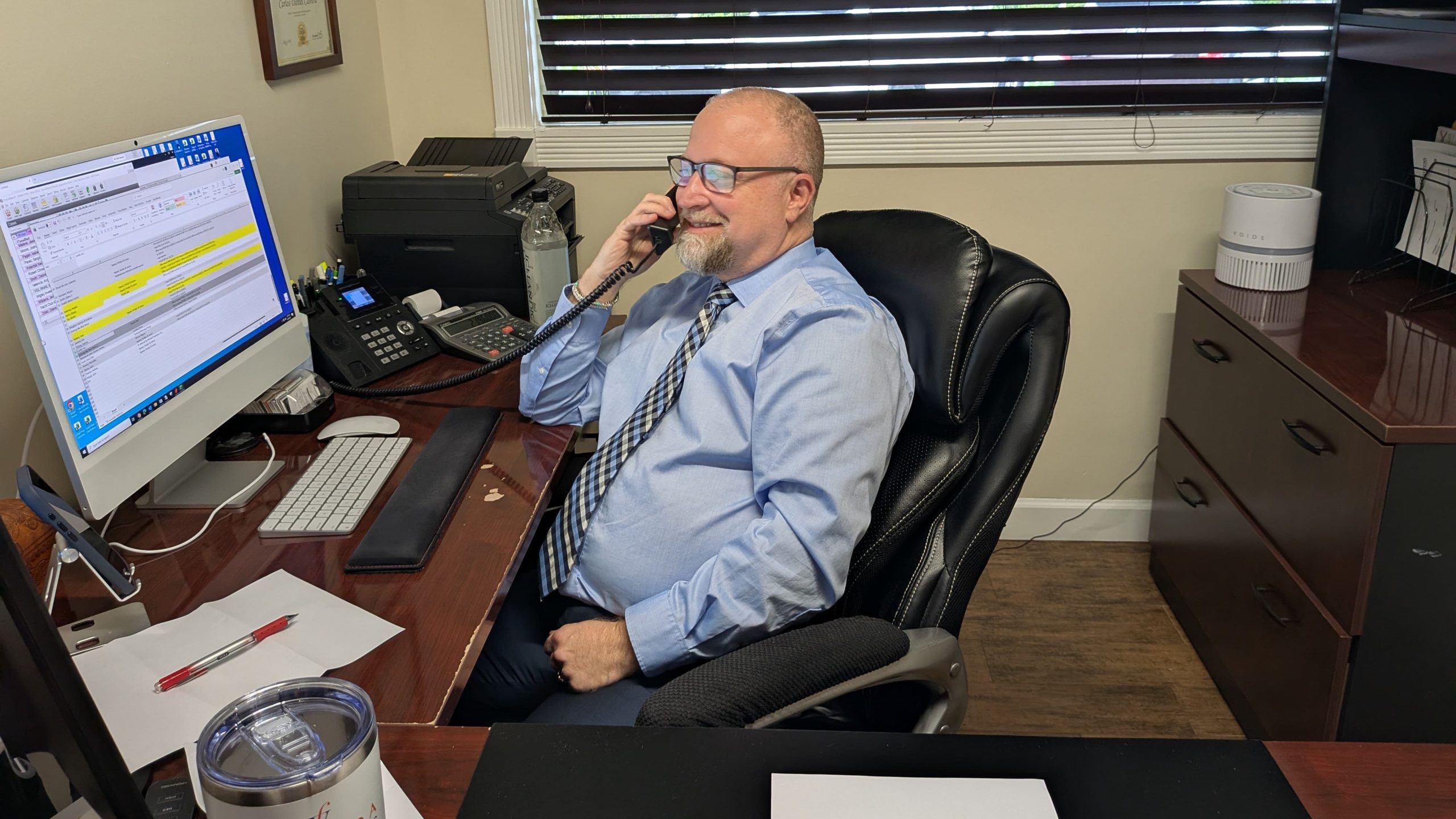
Carlos D. Cabrera spent years developing the arguments insurers use to deny claims. Now he defeats them. Here is what you can expect from an insurance company — and how we respond:
Tactic #1: Requesting a Recorded Statement
What they do: Contact you early — while you are still in pain, before you understand your injuries — and ask for a recorded statement.
Why it hurts you: Adjusters are trained to ask questions designed to minimize your symptoms or suggest you contributed to the accident. They use your own words against you later.
How we counter it: Once you retain Florida Advocates, all communication goes through us. No more recorded statements.
Tactic #2: Disputing Medical Treatment
What they do: Argue your treatment was not “medically necessary,” that you treated for too long, or that your injuries are exaggerated.
Why it hurts you: They reduce or deny payment for legitimate care.
How we counter it: We work with your treating physicians to document the necessity of every treatment and its connection to the accident.
Tactic #3: Blaming Pre-Existing Conditions
What they do: Find any prior treatment in the affected area and argue your current symptoms were caused by the pre-existing condition — not the accident.
Why it hurts you: This is one of the most common denial tactics, and it often convinces policyholders to give up.
How we counter it: Under Florida’s “eggshell plaintiff” doctrine, you take the victim as you find them. We document exactly how the accident aggravated your condition. Carlos has extensive experience defeating pre-existing condition arguments — including recovering $190,000 in a case where the insurer offered only $55,000 based on this exact defense.
Tactic #4: Delaying the Claim
What they do: Drag out the process — requesting more documentation, “investigating,” failing to respond.
Why it hurts you: Financial pressure mounts. Medical bills pile up. Many people accept low offers just to end the ordeal.
How we counter it: We set deadlines, pursue legal action when necessary, and take the financial pressure off you by working on contingency.
Tactic #5: Making a Lowball Offer
What they do: Offer a quick settlement — often before you have finished treatment — hoping you will accept.
Why it hurts you: You do not yet know the full extent of your injuries. Once you accept, you cannot ask for more.
How we counter it: We never recommend settling until you have reached Maximum Medical Improvement (MMI) and the full value of your claim is understood.
Tactic #6: Hiring “Independent” Medical Examiners
What they do: Send you to a doctor hired by the insurance company for an “independent” examination.
Why it hurts you: These doctors are paid by the insurer and frequently minimize injuries or dispute treatment necessity.
How we counter it: We prepare you for IMEs, review the examiner’s history, and challenge biased opinions with testimony from your treating physicians.
Florida Law Protects Policyholders — If You Know How to Use It
Florida has some of the strongest policyholder protection laws in the country. The key statutes that govern insurance disputes include:
Florida Statute 627.428 — Attorney Fee Shifting
Under Florida Statute 627.428, if you prevail in a lawsuit against your insurer for benefits owed under your policy, the insurer may be required to pay your attorney fees.
This is a powerful protection because it levels the playing field. Insurance companies have unlimited legal resources — but when they know they will have to pay your attorney fees if they lose, they have an incentive to settle fairly.
Florida Statute 624.155 — Bad Faith
Under Florida Statute 624.155, when an insurer acts in bad faith — failing to attempt good faith settlement when liability is clear — you may pursue damages beyond the policy limits, including:
- The full amount of your damages (even if they exceed policy limits)
- Attorney fees and costs
- Additional compensatory damages
Before filing a bad faith lawsuit, you must serve a Civil Remedy Notice on the insurer and give them 60 days to cure the violation.
Florida Statute 627.736 — PIP Benefits
Under Florida Statute 627.736, your PIP insurer must pay 80% of reasonable medical expenses (up to $10,000) and 60% of lost wages after a car accident — regardless of fault. When they wrongfully deny or delay these benefits, you can pursue legal action with potential attorney fee recovery.
Damages You Can Recover in an Insurance Dispute
Depending on the type of claim, you may be entitled to:
- The full value of your original claim — what the insurer should have paid in the first place
- Interest on delayed payments
- Attorney fees — under Florida Statute 627.428, the insurer may be required to pay your legal costs
- Bad faith damages — when insurer conduct rises to the level of bad faith, you may recover damages beyond the policy limits
- Emotional distress damages — in certain bad faith cases
- Punitive damages — in cases involving egregious insurer misconduct
Florida Insurance Dispute Statistics
Insurance claim disputes are far more common than most policyholders realize:
| Statistic | Data |
| Florida uninsured driver rate | 20%+ (among highest in nation) |
| Annual Florida auto insurance complaints | 10,000+ |
| PIP claims disputed by insurers | Thousands annually |
| Bad faith lawsuits filed in Florida | Increasing yearly |
When you file a claim with your own insurance company, you are not asking for a favor — you are asking them to honor the contract you paid for. When they refuse, Florida law provides remedies.
What to Do If Your Insurance Claim Is Denied or Delayed
- Get the denial in writing
Request a written explanation of why your claim was denied or what additional documentation is required
- Review your policy
Understand exactly what coverage you purchased and what the policy says about claim procedures
- Document everything
Keep records of every communication with the insurer, including dates, names, and what was said
- Do not accept a lowball offer
You are not required to accept the first offer, and doing so may prevent you from recovering fair compensation
- Do not sign releases
Before signing anything, understand exactly what rights you are giving up
- Do not miss deadlines
Insurance policies often have time limits for filing claims and disputing denials
- Contact Florida Advocates
We can evaluate your claim, identify bad faith conduct, and advise you on your options
Do not assume the insurance company is acting in good faith just because they are “your” insurance company. They have a financial incentive to deny or minimize every claim — including yours.
About Attorney Carlos D. Cabrera

Carlos D. Cabrera leads the Personal Injury Department at Florida Advocates. Before becoming an attorney, Carlos worked as insurance defense counsel. He was then recruited by a personal injury firm — which is where he decided to switch sides and represent injury victims instead. That inside knowledge of how insurance companies evaluate, delay, and undervalue claims is what sets him apart from attorneys who have only ever worked one side of a case.
Insurance claim disputes are where Carlos’s background matters most. He is not guessing what the insurance company will argue — he used to make those arguments himself. Now he defeats them.
Education
- J.D. — St. Thomas University College of Law (2000)
- Managing Editor, St. Thomas Law Review
- B.A. English — Florida International University (1994)
Bar Admissions
- The Florida Bar
- U.S. District Court, Southern District of Florida
- U.S. District Court, Middle District of Florida
- U.S. District Court, Northern District of Florida
Credentials & Recognition
- Million Dollar Advocates Forum Member
- Multi-Million Dollar Advocates Forum Member
- Florida Legal Elite Recognition
- Lead Counsel Verified (Appellate, since 2015)
- Former Insurance Defense Counsel
Insurance Insider Background
Worked as insurance defense counsel before law school. Recruited by a personal injury firm. Throughout his legal career has represented both insurance companies and injury victims — which gives him a perspective most personal injury attorneys simply do not have.
Learn more about Carlos D. Cabrera →
Frequently Asked Questions — Florida Insurance Claim Disputes
What is insurance bad faith in Florida?
Insurance bad faith occurs when an insurance company fails to act fairly and honestly toward its policyholder. Under Florida Statute 624.155, insurers have a duty to attempt in good faith to settle claims when liability is clear. When they deny valid claims, delay unreasonably, or offer far less than claims are worth, they may be acting in bad faith — and policyholders can pursue additional damages beyond the original claim.
What is a UM/UIM claim?
UM (uninsured motorist) and UIM (underinsured motorist) claims allow you to recover from your own insurance policy when the at-fault driver has no insurance or insufficient insurance to cover your damages. Florida has one of the highest uninsured driver rates in the country — over 20%. UM/UIM coverage is often your only path to fair compensation when the at-fault driver cannot pay.
Why would my own insurance company deny my claim?
Insurance companies are businesses. Their profit comes from collecting premiums and paying as few claims as possible. Even your own insurer — the company you have paid premiums to for years — has a financial incentive to deny, delay, or minimize your claim. Common tactics include disputing coverage, questioning injury severity, arguing pre-existing conditions, and requesting excessive documentation.
Can I sue my own insurance company in Florida?
Yes. When your insurer wrongfully denies your claim, delays unreasonably, or offers far less than your claim is worth, you can file a lawsuit against them. Under Florida Statute 627.428, if you prevail in a lawsuit against your insurer, they may be required to pay your attorney fees in addition to the claim amount.
What is the deadline to file a bad faith claim in Florida?
Bad faith claims in Florida generally must be filed within five years under Florida Statute 95.11. However, before filing a first-party bad faith lawsuit, you must provide the insurer with a Civil Remedy Notice under Florida Statute 624.155, giving them 60 days to cure the violation. The underlying claim must also be resolved before a bad faith claim can proceed. These deadlines can be complex — contact an attorney as early as possible.
What if my PIP claim was denied?
PIP denials are common, but you have legal options. Insurers frequently deny PIP claims by disputing medical necessity, claiming you missed the 14-day treatment deadline, or arguing you did not have an “emergency medical condition.” Under Florida Statute 627.736, you can challenge these denials — and if you prevail, the insurer may be required to pay your attorney fees.
Do I have to use the insurance company’s preferred doctors?
No. In Florida, you have the right to choose your own treating physicians. Insurers may request that you attend an “independent medical examination” (IME) with a doctor of their choosing, but you are not required to treat with their preferred providers. IME doctors are paid by the insurer and frequently minimize injuries.
What does it cost to hire Florida Advocates for an insurance dispute?
Nothing unless we recover for you. We handle insurance claim disputes on a contingency fee basis. Additionally, under Florida Statute 627.428, if we prevail in litigation against your insurer, they may be required to pay your attorney fees — meaning you may owe nothing out of your recovery for legal costs.
Florida Insurance Dispute Local Resources
Florida Department of Financial Services
The state agency that regulates insurance companies in Florida. You can file a complaint if you believe your insurer has acted improperly.
Consumer Helpline: 1-877-MY-FL-CFO (1-877-693-5236)
Website: MyFloridaCFO.com
Hospitals & Trauma Centers (Broward County)
Broward Health Medical Center
(Level I Trauma Center — Adult & Pediatric) 1600 S Andrews Avenue, Fort Lauderdale, FL 33316
Phone: (954) 355-4400
Website
Memorial Regional Hospital
(Level I Trauma Center) 3501 Johnson Street, Hollywood, FL 33021
Phone: (954) 987-2000
Courts
Broward County Courthouse
(17th Judicial Circuit) 201 SE 6th Street, Fort Lauderdale, FL 33301
Phone: (954) 831-6565
Website
Why Choose Florida Advocates for Your Insurance Dispute
Insurance disputes require an attorney who understands how insurance companies think, how they value claims, and how they defend lawsuits. Carlos D. Cabrera has that knowledge because he used to work for them.
At Florida Advocates, we take a different approach:
- Direct attorney involvement — Carlos D. Cabrera personally oversees your case
- Insurance insider knowledge — we know how claims are valued because Carlos used to do that work
- Federal court experience — we can litigate at any level
- No rushed settlements — we build cases for maximum value
- Attorney fee recovery — under Florida Statute 627.428, the insurer may be required to pay your legal costs if we prevail
You deserve more than a billboard. You deserve an advocate who will actually pursue your full recovery.
No Fee Unless We Win
We work on a contingency fee basis. That means:
- Free consultation — no cost to speak with us about your claim
- No upfront fees — we advance all case costs
- No attorney fees unless we recover for you
Additionally, under Florida Statute 627.428, if we prevail in litigation against your insurer, they may be required to pay your attorney fees — potentially reducing or eliminating the cost to you.
You will never receive a bill from us while your case is active. We only get paid when you do.
About Florida Advocates
Florida Advocates is a personal injury law firm headquartered in Dania Beach, Florida — in the heart of Broward County. We represent policyholders in insurance disputes throughout Fort Lauderdale, Broward County, and all of Florida.
Office Locations:
Dania Beach (Broward County) — Headquarters
45 E Sheridan Street Dania Beach, FL 33004
North Miami (Miami-Dade County)
13499 Biscayne Blvd #107 North Miami, FL 33181
Tampa (Hillsborough County)
238 E Davis Blvd #210 Tampa, FL 33606
Phone: 754-290-3803
Email: info@fladvocates.com
Hours: Monday – Friday: 9:00 AM – 5:00 PM
Available by phone 24/7 for emergencies
Serving Insurance Dispute Clients Throughout South Florida
Florida Advocates represents policyholders in insurance disputes throughout Broward County, Miami-Dade County, Palm Beach County, and Hillsborough County, including:
- Fort Lauderdale
- Dania Beach — Office Location
- Hollywood
- Pembroke Pines
- Coral Springs
- Plantation
- Hallandale Beach
- Miramar
- Weston
- Pompano Beach
- Boca Raton
- Miami
- Miami Beach
- Hialeah
- North Miami
- Tampa
If your insurance claim was denied or underpaid anywhere in Florida, we can help.
Contact a Florida Insurance Claim Denial Lawyer
If your insurance company has denied, delayed, or underpaid your claim, contact Florida Advocates today for a free, confidential consultation. You paid your premiums. You have a right to the benefits you purchased. Let us hold your insurer accountable.
Call: 754-290-3803
Email: info@fladvocates.com
Call us for a free consultation. You pay nothing unless we recover for you. After all, isn’t that what family would do?
Related Practice Areas
If your insurance dispute involves:
Contact Us
Fill out the contact form or call us at 754-290-3803 to schedule your free consultation. Free Consultation
  Available 24/7
  No Fees Unless You Win